


Founded 2026 · Republic of Korea
Where human
movement is measured,
rehabilitation
begins anew.
The Korean Society for Artificial Intelligence in Rehabilitation (KSAIR) is an academic society that uses video, sensors, and artificial intelligence to study the quantitative measurement and analysis of human movement and the assessment of movement function. Clinicians from the many professions involved in rehabilitation and researchers in engineering and other related fields take part together, across professional boundaries.
Apply for membershipHow to JoinThe application screen is in Korean.
Research Themes
Measuring movement with video, sensors, and artificial intelligence (AI) is moving from the laboratory into clinics and homes. KSAIR’s research themes ask whether these measurements can be trusted in rehabilitation, whether they are equally accurate for everyone, and how they can inform education and assessment.
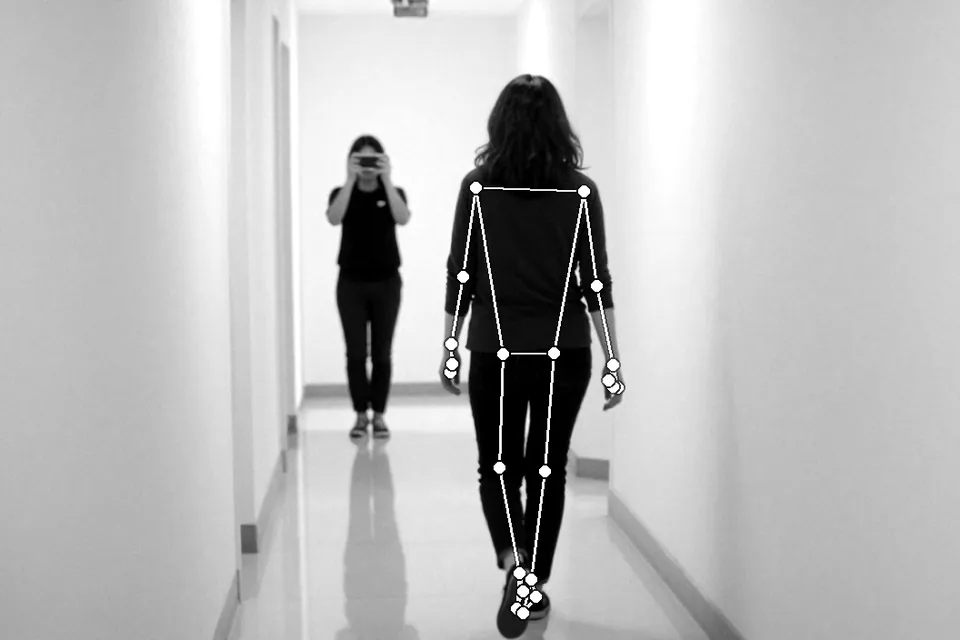
Markerless Motion Capture
AI pose estimation that measures joint motion from smartphone video alone: its accuracy and the conditions it depends on.
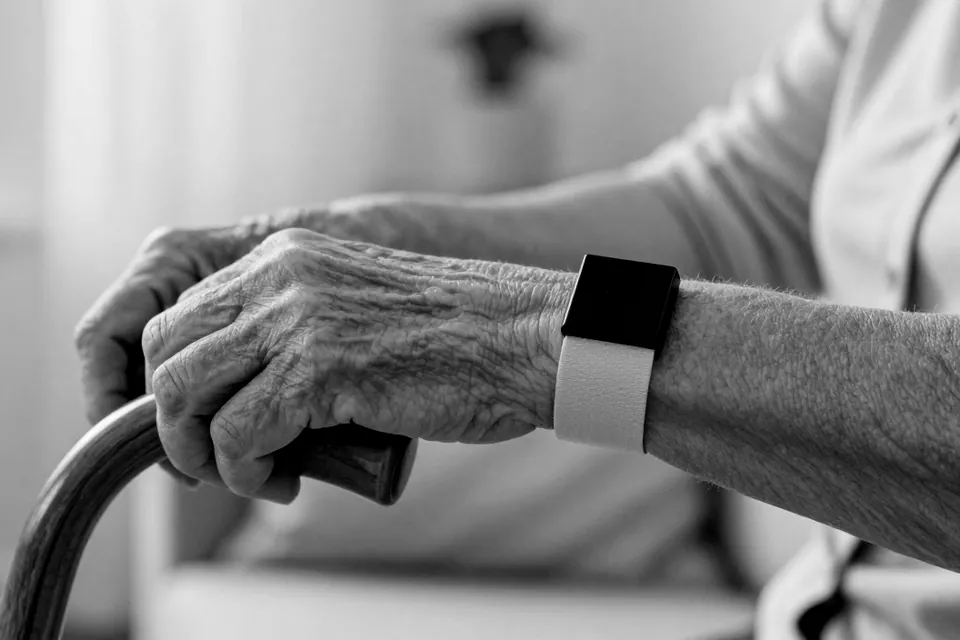
Wearable Sensors and Real-World Gait
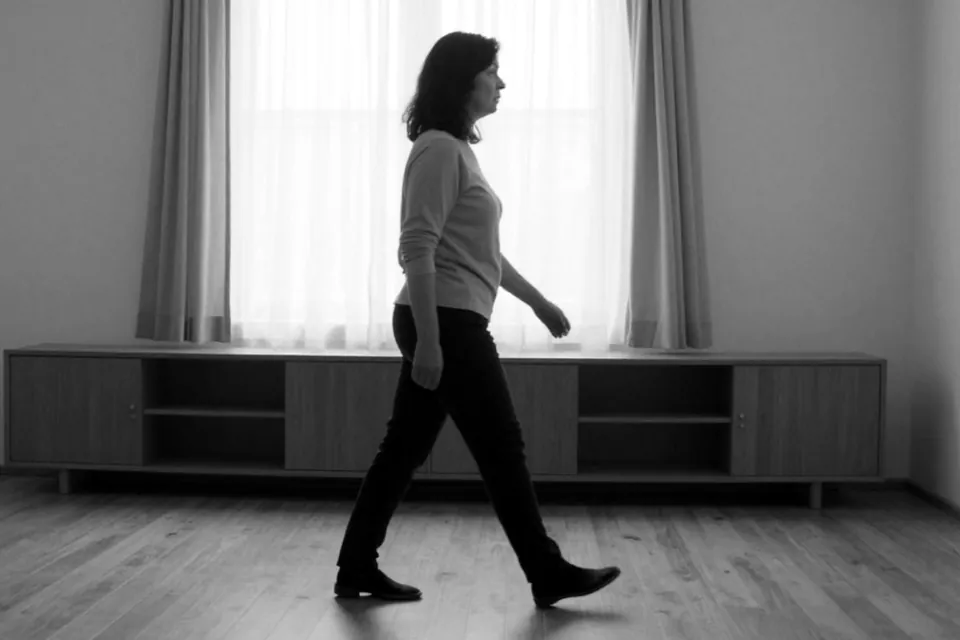
Recording and interpreting everyday walking beyond the clinic with wearable sensors and AI.
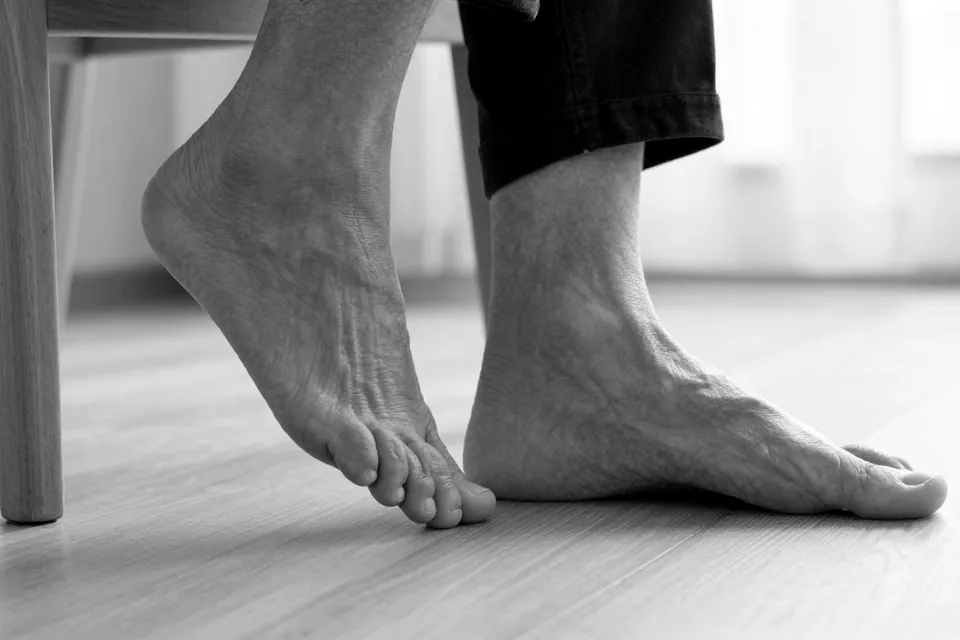
Posture, Balance, and Fall Risk
Measuring body alignment and postural sway, and whether fall-risk predictions hold for other people.
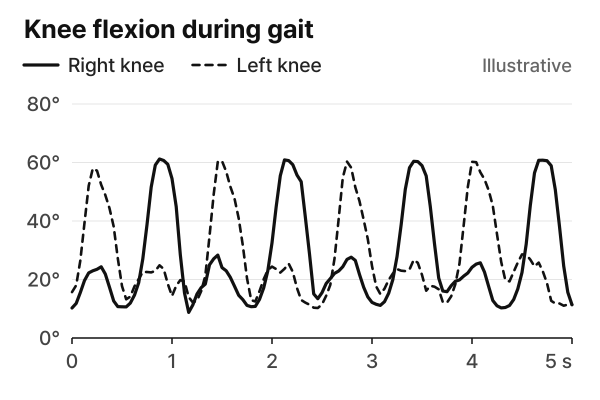
Assessment of Movement Function
From infants’ movements to adults’ activities of daily living: linking recorded movement to clinical rating scales.
Measurement at Home and in the Community
Remote assessment, home-exercise records, and linking integrated community care with motion analysis.
Rehabilitation Education and Assessment Tools
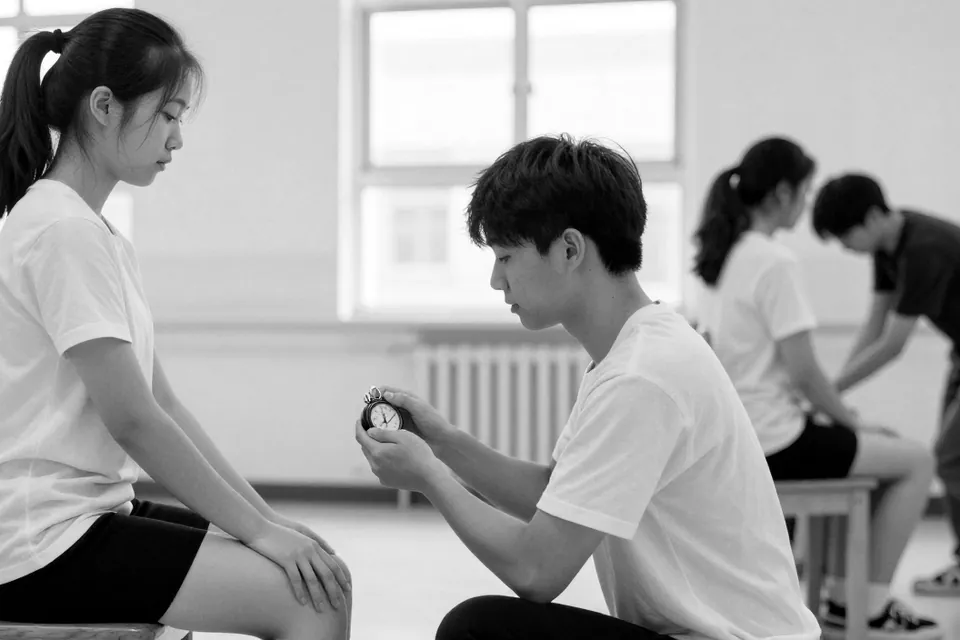
Methods of rehabilitation education, and ways to evaluate educational materials and assessment tools made with generative AI.
The six themes fall within the scope of study set out in Article 2 (2) of the Articles of Association.Purpose and Undertakings
Trustworthy Measurement
Questions common to every theme.
- 01Validity and ReliabilityDoes the number reflect the function, and is it the same when measured again?
- 02External Validation and RepresentativenessDoes it hold for other people and in other settings, and is it equally accurate from children to older adults?
- 03Protocols and Reporting StandardsAre protocols, data structures, and reporting aligned, so that results can be compared and reproduced?
- 04Ethics and PrivacyVideo captures faces and the inside of homes. KSAIR recommends not storing the original video and retaining only keypoint (joint-position) coordinates.Research Ethics
What KSAIR Does
Research and Exchange
KSAIR is a place for people who work with movement to come together and sharpen their methods. Academic conferences and seminars will be announced here and in Notices once dates are set.
ConferencesEducation
Developing and running education programs is one of the undertakings set out in the Articles of Association. Programs will be announced in Notices when they are ready.
Results and Accounts Made Public
The Articles of Association commit KSAIR to sharing the results of research and education widely rather than keeping them within the membership. Officers receive no remuneration. Donations and sponsorships are disclosed on the Financial Disclosure page, and KSAIR does not carry banner advertising.
Financial Disclosure
Membership
Membership GuideRegular Membership does not require a license in any particular profession. Anyone working in health care, anyone engaged in research or education in a related field, and anyone who supports the purposes of the Society may join.
Apply for membershipHow to JoinThe application screen is in Korean.
Annual dues
- Regular Member
- KRW 30,000
- Associate Member (Student)
- KRW 10,000
- Institutional Member
- KRW 300,000
There is no admission fee. Article 10 of the Membership Regulations — Dues